
Butterfly Bush (Buddleia): A Complete Guide to History, Planting, and Care
Discover how to cultivate the fragrant, nectar-rich butterfly bush—Buddleia davidii—to enliven your garden with vibrant blooms and fluttering pollinators.
History and Origins
Buddleia davidii was first introduced to Europe from China in the late 18th century.
Named after English rector Adam Buddle, its showy flower panicles quickly captivated Victorian gardeners for their scent and ability to attract butterflies.
Ideal Growing Conditions
Choose a site that receives at least six hours of direct sunlight each day.
Soil should be well drained; amend heavy clay with compost or coarse grit to improve drainage and prevent root rot.

Planting Steps
- Prepare the planting hole twice the width of the root ball.
- Position the top of the root ball level with the surrounding soil.
- Backfill gently, firm the soil, and water thoroughly to settle roots.
Watering and Fertilizing
During the first growing season, water deeply once a week to help roots establish.
After establishment, butterfly bushes tolerate drought and rarely need supplemental watering.
Avoid high-nitrogen fertilizers, which can encourage leafy growth at the expense of blooms.
Pruning and Deadheading
Each late winter or early spring, cut stems back to 12–18 inches above ground.
This encourages vigorous new shoots and abundant summer flower clusters.
Remove spent blooms throughout the season to prolong flowering and prevent self-seeding.

Managing Invasiveness
In some regions, Buddleia davidii self-seeds aggressively.
To control spread, remove or dispose of spent flower heads before seed pods mature.
Consider sterile cultivars—such as ‘Lo & Behold’ or ‘Miss Molly’—to enjoy blooms without invasive risk.
Attracting Pollinators
The nectar-rich flowers of butterfly bush draw butterflies, bees, and hummingbirds.
Plant near patios or borders to watch swallowtails and monarchs feed on elongated flower spikes.
Companion plant with native perennials—like coneflowers and milkweed—to support a diverse pollinator habitat.
Recommended Cultivars
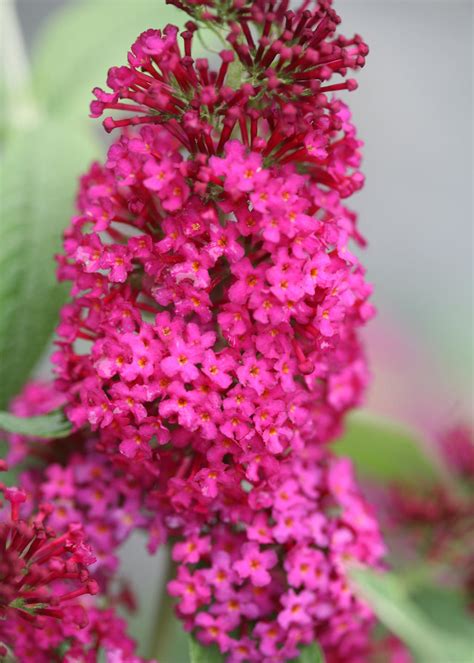
- ‘Royal Red’—deep crimson blooms on a compact, 3-foot shrub.
- ‘Blue Chip’—low-growing variety with lavender-blue flowers.
- ‘Black Knight’—rich purple panicles on tall, sturdy stems.
Conclusion
Butterfly bush combines effortless beauty with ecological value.
By choosing the right site, maintaining proper pruning, and managing self-seeding, you can enjoy months of color and a flutter of pollinator activity in your garden.
Here is a great video. Hook01 AD Japa Trick BRE Hv01 Hxxxx07
Categories
- Gardening
- Perennials
- Pollinator Plants
- DIY Garden Projects
Tags
- buddleia
- butterfly bush
- pollinators
- pruning tips
- summer blooms
- invasive species management

Leave a comment