
🐄 Beef Tallow: Ancestral Fat for Modern Kitchens and Healing Rituals
Beef tallow—once a staple in hearth and home—is making a nourishing comeback. This golden, rendered fat from grass-fed cattle is prized for its versatility, sustainability, and deep connection to traditional foodways.
🔥 What Is Beef Tallow?
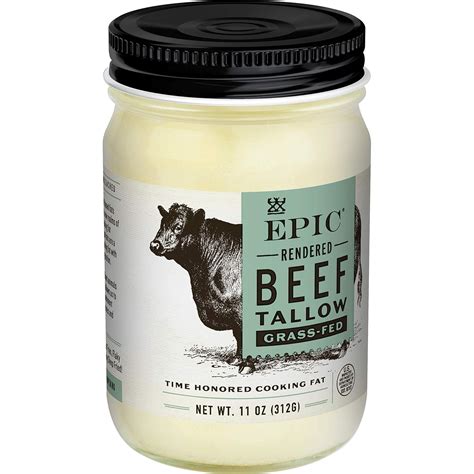
Beef tallow is the rendered fat from suet, the dense fat surrounding a cow’s kidneys. Once melted and strained, it cools into a creamy, shelf-stable fat with a high smoke point and rich flavor.
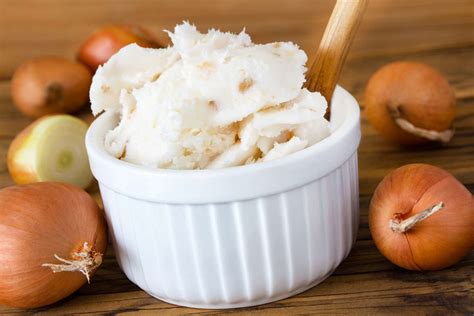
🍳 Culinary Uses
- Frying & Roasting: Ideal for crispy potatoes, searing meats, or deep-frying thanks to its high smoke point (~400–480°F).
- Baking: Adds flakiness and depth to pie crusts, biscuits, and savory pastries.
- Flavor Booster: A spoonful stirred into soups or beans adds richness and umami.
🕯️ Non-Culinary Uses
- Soap & Candle Making: Tallow creates firm, long-burning candles and moisturizing soaps.
- Skin Care: Its fatty acid profile mimics human sebum, making it a soothing balm for dry or irritated skin.
- Seasoning Cast Iron: Use it to build a natural, nonstick patina on cookware.
🌿 Nutritional & Ecological Benefits
- Rich in Vitamins: Especially A, D, E, and K2—critical for immune and bone health.
- Stable & Sustainable: Unlike seed oils, tallow resists oxidation and supports nose-to-tail cooking.
- Zero-Waste Ethos: Using tallow honors the whole animal and reduces food waste.

🧈 How to Render Your Own
- Chop suet into small pieces.
- Simmer on low heat in a heavy pot or slow cooker.
- Strain through cheesecloth into jars.
- Cool and store in the fridge or a cool pantry.
Using Beef Tallow as a Skin Moisturizer
Beef tallow’s fatty acid profile closely mirrors human sebum, making it easy to absorb and exceptional at reinforcing your skin’s natural moisture barrier. It’s naturally rich in fat-soluble vitamins A, D, E, and K, which support cell repair, elasticity, and deep hydration.
How to Prepare Your Tallow Balm
- Render or source high-quality tallow:
- If rendering at home, chop grass-fed beef fat into small cubes and melt on low heat (stovetop or slow cooker) until clear. Strain through cheesecloth to remove solids.
- Optional mix-ins for texture and scent:
- Coconut oil (up to ¼ cup per cup of tallow) for a silkier feel.
- Beeswax (1 tablespoon) to thicken the balm.
- A few drops of essential oils (lavender, frankincense) for fragrance and added therapeutic benefits.
Application Steps
- Warm a pea-sized amount between your fingertips until it liquefies.
- Gently press into clean, slightly damp skin—ideal right after showering or cleansing to lock in moisture.
- Use as a spot treatment on cracked heels, elbows, dry patches, or chapped lips for targeted relief.
Storage & Shelf Life
Store your tallow moisturizer in a clean, airtight jar at room temperature away from direct heat. Properly rendered and stored, it will keep for 6–12 months. In warmer climates, refrigeration helps maintain a solid consistency without affecting its efficacy.
Pro Tips for Best Results
- Always patch-test on your inner forearm if you have sensitive or acne-prone skin.
- Use sparingly—a little tallow goes a long way and won’t leave a greasy residue once absorbed.
- Massage in upward, circular motions to boost circulation and enhance absorption.
- Incorporate into both morning and evening routines: a thin layer under makeup or a richer layer at night for deep repair.

🗂️ Categories
- DIY
- Traditional Skills
- Natural Living
- Healing & Resilience
- Earth Medicine
- Gardening (if you tie in composting or soil amendments)
- Art & Nature (if you include soap or candle-making as creative expression)
🏷️ Tags
- #beeftallow
- #ancestralfats
- #naturalhealing
- #homemadeskincare
- #castironcooking
- #sustainableliving
- #nose2tail
- #earthmedicine
- #traditionalfoods
- #diybeauty
Share your tallow creations on Instagram—tag @SonjaLeiArt and use #nose2tail for a chance to be featured.

Leave a comment