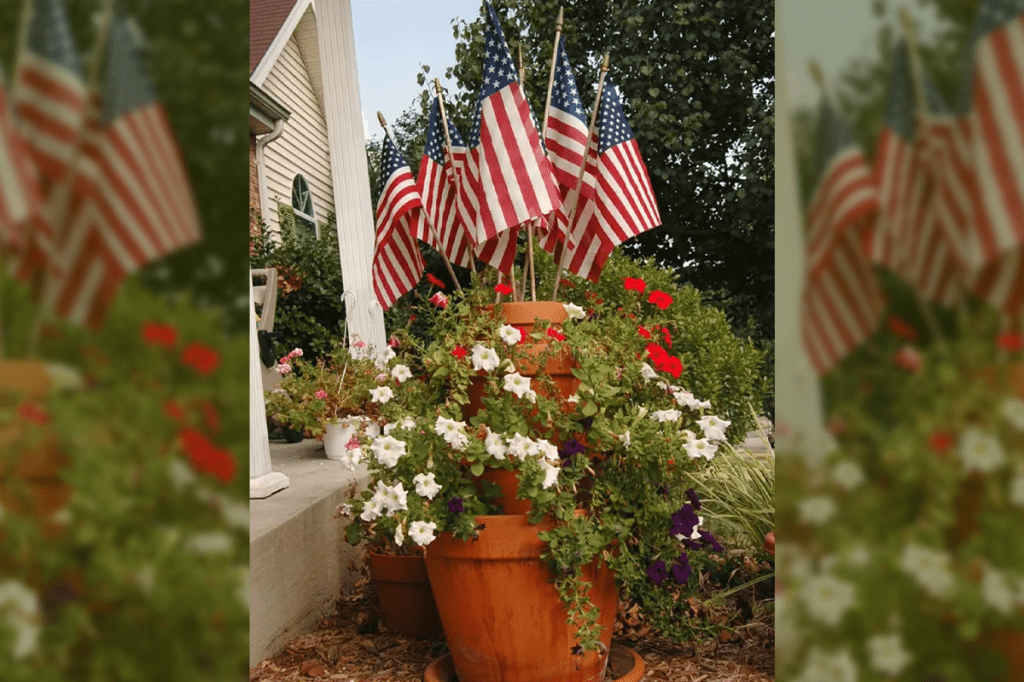
Stars & Stripes Among Native Blooms: Patriotic Wildflowers for Your Garden Slug: stars-stripes-among-native-blooms-patriotic-wildflowers-for-your-garden
As fireworks light the sky, celebrate Independence Day by planting red, white, and blue wildflowers that honor both our nation’s palette and its Indigenous heritage. Below, explore three native gems—their symbolism, lore, and practical tips to make them shine in your summer garden.
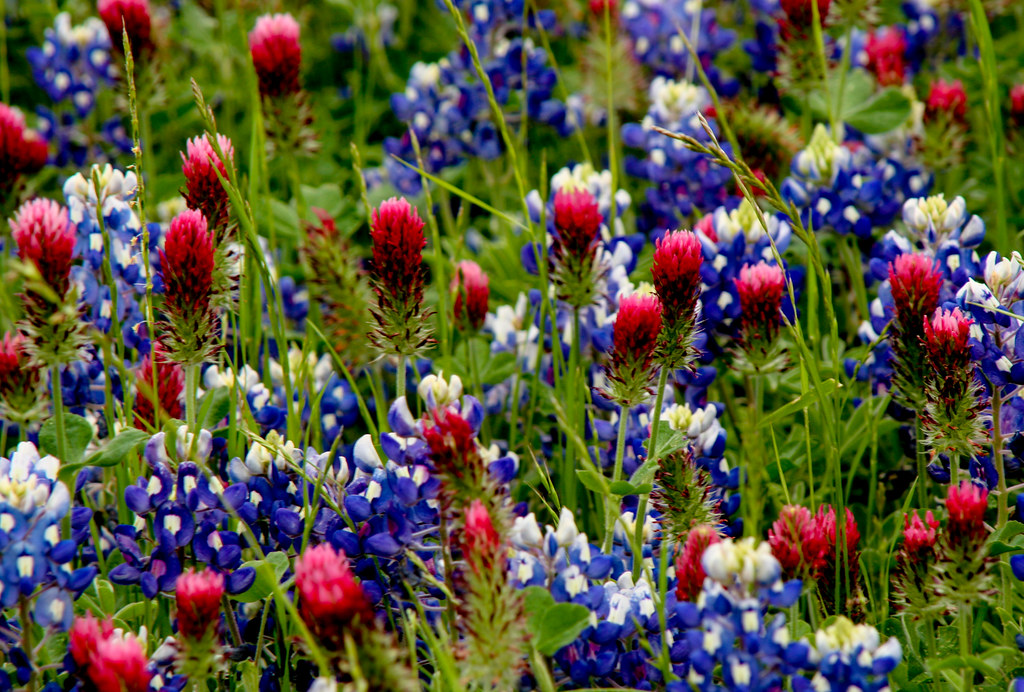
- Eastern Red Columbine (Aquilegia canadensis) • Symbolism & Legend – In Native folklore, the dangling red “lanterns” of columbine symbolized courage and protection. Warriors carried its blooms into battle for strength, and some Native tribes used its roots medicinally for heart and throat ailments[33]. • Ethnobotany – Indigenous peoples brewed a tea from crushed roots to soothe coughs and sore throats, honoring its healing “lantern light.”[33] • Garden Tips – USDA Zones 3–8; part shade to full sun. – Sow seeds directly in fall or early spring; do not cover—light aids germination. – Prefers well-drained, humus-rich soil; tolerates dry spells once established[5]. – Mature height: 1–3 – ft; spacing: 12–18 in apart.
- Purple Coneflower (Echinacea purpurea) • Symbolism & Myth – A powerhouse of resilience, coneflower has long represented strength, healing, and community. Native healers prized its roots to boost immunity and ward off illness—making it a botanical emblem of protection[26]. • Folklore – Plains tribes believed Echinacea’s spiky central cone could “pierce” disease and evil spirits, restoring balance to body and spirit[26]. • Garden Tips – USDA Zones 3–9; full sun, well-drained soil. – Plant nursery starts in spring, or sow seeds indoors 8–10 weeks before last frost. – Water young plants weekly; mature clumps thrive on 1 in of rain per week and resist drought[14]. – Deadhead spent blooms to prolong flowering from midsummer into fall.
- California Lilac (Blueblossom Ceanothus thyrsiflorus) • Symbolism & Cultural Use – Though named a “lilac,” Ceanothus bears clusters of sky-blue blossoms symbolizing loyalty and union—echoing Fourth of July themes of freedom and community[11]. • Indigenous Uses – Coastal tribes used crushed leaves as a mild soap and tea to cleanse skin and soothe stomach ailments[11]. • Garden Tips – USDA Zones 7–10; full sun, lean, well-drained soils. – Plant in early spring or fall; keep root crown level with soil surface. – Water deeply but infrequently—allow soil to dry between waterings to prevent root rot[36]. – Prune lightly after flowering to maintain shape and encourage new growth.
By weaving these native wildflowers into your patriotic garden—each with its own story of courage, healing, and unity—you’ll cultivate a living Fourth of July tableau that honors both the land and its first stewards. Share photos of your red-white-and-blue blooms below, and let’s light up our gardens together!.
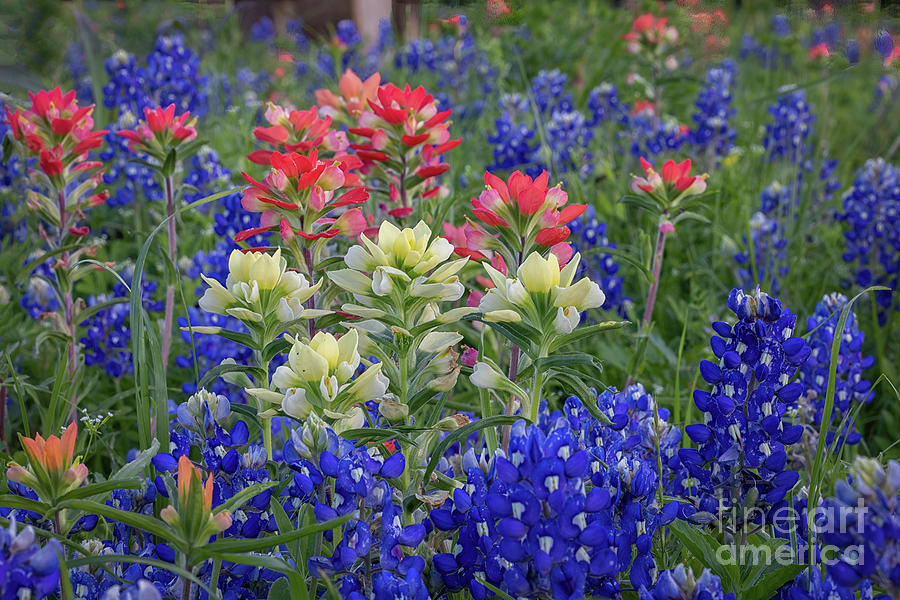
We’d love to see your Stars & Stripes garden in action! Snap a photo of your red-white-and-blue native wildflowers and share it in the comments below—or tag @sonjaleiart on Instagram and use #PatrioticWildflowers so we can celebrate your blooms together.
- “Blueblossom (Ceanothus thyrsiflorus) Plant Care & How to Grow, Water.” Plantiary. https://plantiary.com/plant/ceanothus-thyrsiflorus_953.html [^5^]
- Kiersten Rankel. “Symbolism and Benefits of the Santa Barbara Ceanothus.” Greg App, 23 Apr. 2024. https://greg.app/santa-barbara-ceanothus-benefits/ [^8^]
- Eastern Red Columbine, A Complete Profile – GrowIt BuildIt. https://growitbuildit.com/columbines-how-to-grow-eastern-red-columbine/ [^11^]
- “Columbine Flower Meanings & Symbolism + Colors & Mythology.” UniGuide, 5 Aug. 2021. https://www.uniguide.com/columbine-flower-meaning-symbolism [^20^]
- “How to Grow and Care for Purple Coneflower.” The Spruce, updated 19 July 2024. https://www.thespruce.com/echinacea-purple-coneflowers-1402840 [^15^]
- “Echinacea: Folklore, Propagation, Correspondences & Magick.” Magickal Spot. https://magickalspot.com/echinacea/ [^26^]

Leave a comment